
Tinnitus
Learn about the ringing in your ears
What Is Tinnitus?
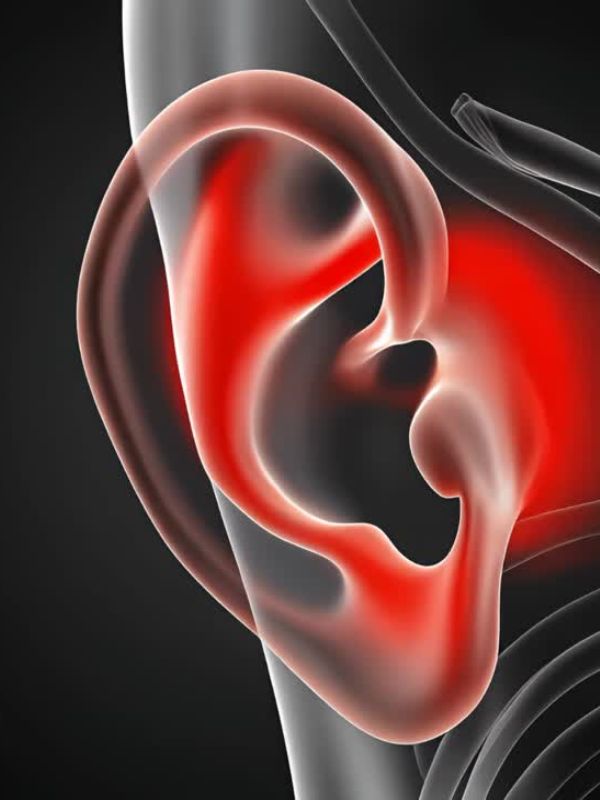
Tinnitus (pronounced tih-NITE-us or TIN-ih-tus) is the perception of sound when no external sound is present. Many people describe it as a ringing in the ears, but tinnitus can also sound like buzzing, hissing, clicking, roaring, or whooshing.
Tinnitus can occur in one ear or both ears, and the sound may seem close, distant, constant, or intermittent. For some people, tinnitus is mild and occasional. For others, it can become disruptive, making it difficult to focus, relax, or sleep.
Some individuals with tinnitus also experience symptoms like headaches, stress, or dizziness. If you’re noticing a combination of these issues, it may be time to schedule a professional evaluation.
Tinnitus is also very common. In fact, the Mayo Clinic estimates that 15–20% of people experience tinnitus, especially as they age.
What Causes Tinnitus?
There isn’t one single cause of tinnitus, and the experience can vary widely from person to person. However, tinnitus is often linked to changes in the hearing system, including:
Age-Related Hearing Changes
As we get older, the tiny sensory hair cells inside the cochlea (inner ear) can naturally deteriorate. These hair cells play a key role in processing sound, and when they begin to weaken, tinnitus and hearing loss may occur together.
Noise Exposure
Repeated exposure to loud noise, such as music, machinery, firearms, or work-related noise, can damage the inner ear. This type of damage is one of the most common contributors to tinnitus.
Hearing Loss
Because tinnitus is frequently associated with hearing loss, many individuals with tinnitus benefit from a hearing evaluation to understand what’s happening and what can be improved.
Rare Medical Causes
In rare cases, tinnitus may be related to circulatory or vascular concerns, such as blood flow changes near the inner ear. This type is often described as a rhythmic “pulsing” sound and should be evaluated promptly.
Tinnitus Treatment Options
It’s important to know that there is currently no universal cure for tinnitus, and many “quick fixes” you may see online are not supported by evidence. However, there are effective options that can reduce how much tinnitus affects your daily life.
At Parker Hearing, we begin with a diagnostic tinnitus evaluation, which helps us understand the severity, triggers, and whether hearing loss is contributing to the symptoms.
Based on your results, tinnitus treatment options may include:
Sound Therapy
Sound therapy uses external sounds, such as white noise, gentle tones, or background audio, to reduce the contrast between tinnitus and silence. This can make tinnitus feel less noticeable and less intrusive throughout the day or at night.
Hearing Aids (When Appropriate)
If hearing loss is present, hearing aids may help by improving access to real-world sound. Many modern hearing aids also include tinnitus support features that can provide masking sounds or relief programs tailored to your needs.

What’s Next?
If you believe you may have tinnitus, or if tinnitus is interfering with your sleep, concentration, or quality of life, we’re here to help. A professional evaluation is the best way to understand what’s causing the symptoms and what options are available.
Click the button below to schedule an appointment and take the first step toward relief and better hearing health.
Parker Hearing Institute. We’re Better Because WE Care!
Have questions? Call us at (310) 540-4327 or fill out the form. Our friendly team is here to help you take the next step toward better hearing.
To make an appointment, just click the button below.

FOLLOW US


COMPANY
PATIENT CARE
LEGAL
Copyright 2026. Parker Hearing Institute. All Rights Reserved.