
The Mechanics of Hearing
How We Hear Sound
Hearing seems simple; someone talks, you listen, but the process is one of the most impressive systems in the body. In just fractions of a second, your ears and brain work together to collect sound, convert it into usable information, and help you make sense of speech, music, and the world around you.
To understand hearing loss, tinnitus, or why hearing aids help, it’s useful to understand how hearing works in the first place.

Step 1: The Outer Ear Collects Sound
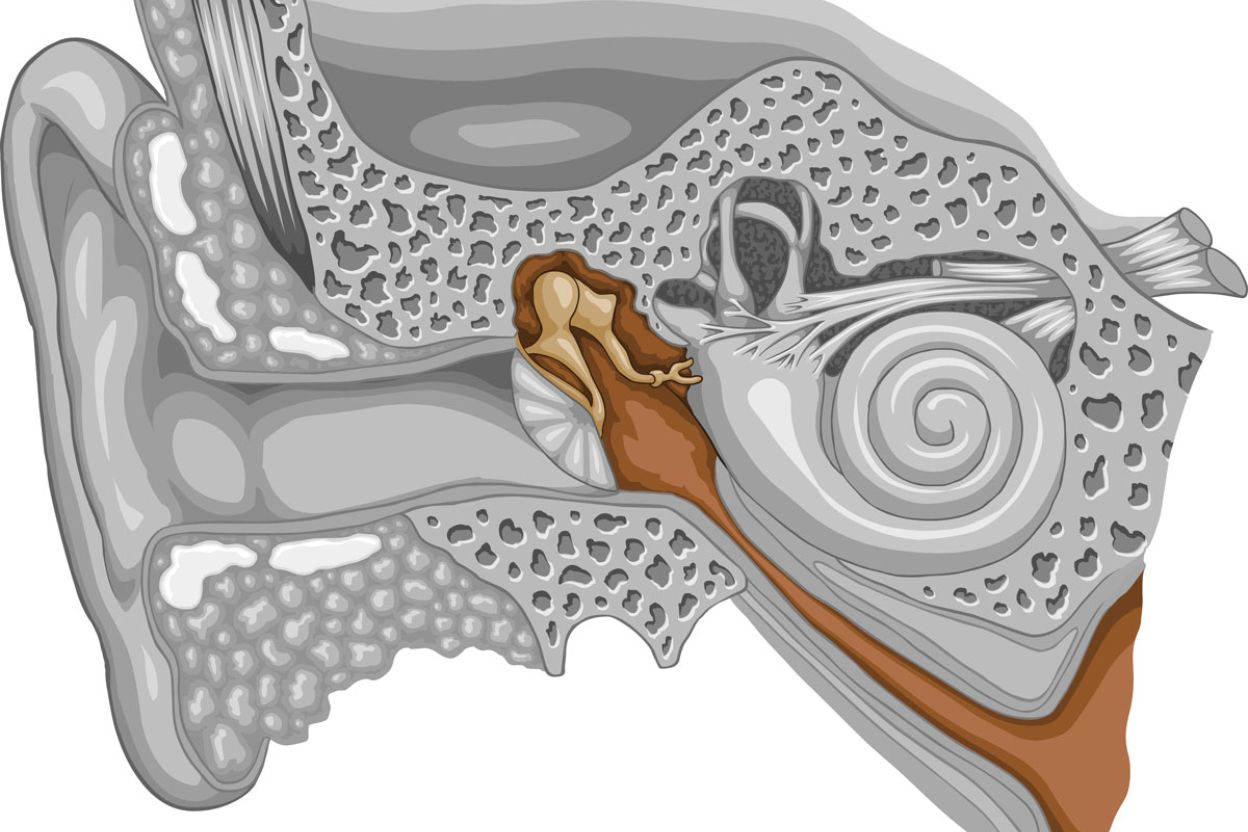
Your outer ear (the part you can see) acts like a funnel. It gathers sound waves and directs them into the ear canal, a short passageway lined with small hairs and glands that produce earwax.
Why this matters:
Earwax and the tiny hairs in your ear canal are part of your body’s natural protection system. Wax traps dust and debris, helping prevent irritation and infection. But too much wax can also block sound and create temporary hearing difficulties.

Step 2: The Eardrum Turns Sound Into Motion
At the end of the ear canal sits the eardrum. When sound waves hit it, the eardrum vibrates, turning sound energy into mechanical movement.
Think of it like this:
Sound waves are invisible. The eardrum translates them into physical motion that your body can use.
Step 3: The Middle Ear Amplifies and Transfers Sound
Behind the eardrum is the middle ear, where three tiny bones help carry vibrations forward. These bones are commonly known as:
-Hammer (malleus)
-Anvil (incus)
-Stirrup (stapes)
These bones work like a miniature lever system. They amplify the vibration and send it deeper into the ear, toward the inner ear.
Why this matters:
If sound isn’t moving correctly through the middle ear (for example, due to fluid, infection, or a structural problem), it can reduce hearing clarity. This is often part of what’s called conductive hearing loss.
Step 4: The Inner Ear Converts Motion Into Nerve Signals
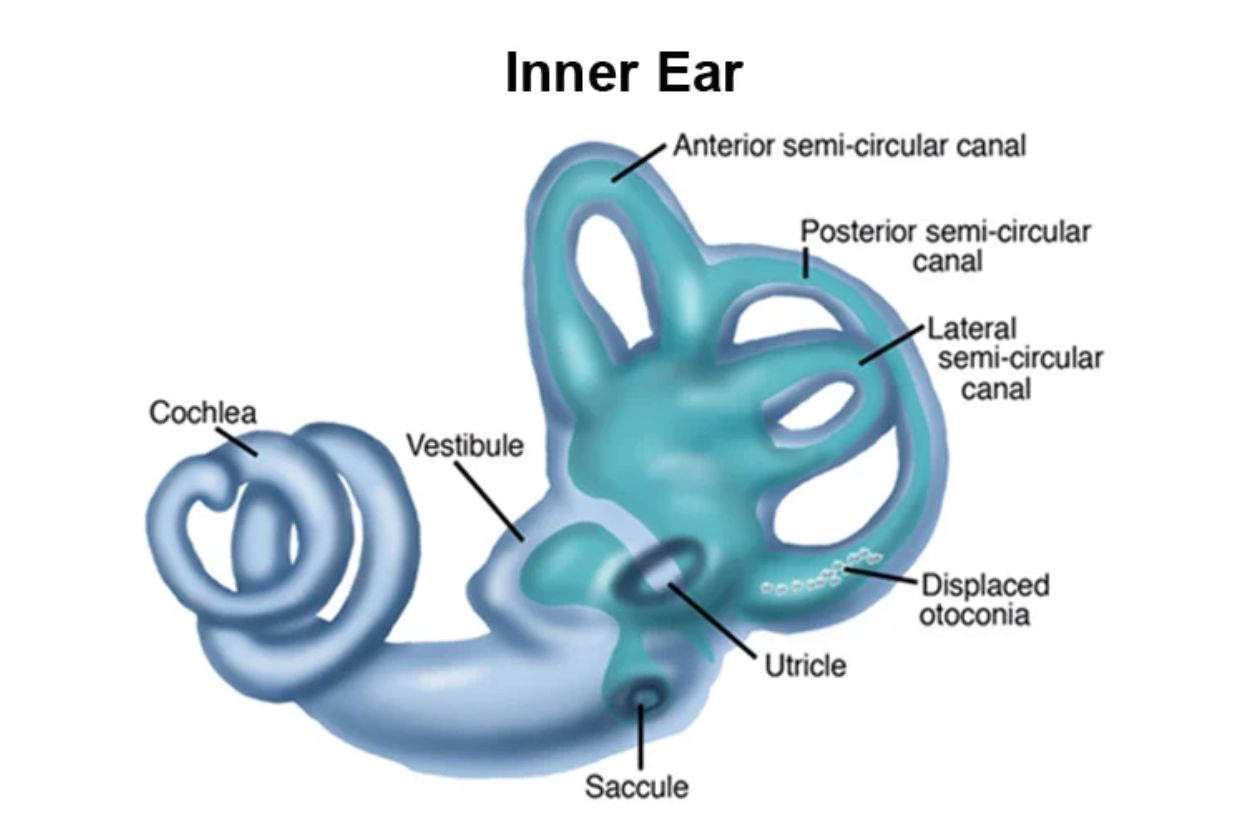
The middle ear delivers vibration to the inner ear, where the real magic happens.
Inside the inner ear is the cochlea, a spiral-shaped organ filled with fluid and thousands of delicate sensory cells called hair cells. As sound vibrations enter the cochlea, the fluid moves and hair cells bend in response.
Those hair cells convert mechanical movement into electrical signals, which travel through the hearing nerve to the brain.
Why this matters:
Hair cells are extremely sensitive. If they become damaged, through aging, noise exposure, illness, or certain medications, they may stop working properly. This is one of the most common reasons people experience sensorineural hearing loss, which is usually permanent.

Step 5: Your Brain Creates Meaning
Finally, the brain interprets those signals as meaningful sound: speech, music, environmental cues, or the voice of someone you love.
This is why hearing isn’t just an “ear issue”, it’s a brain process too. Your brain is constantly sorting sound, prioritizing speech, filtering background noise, and helping you locate where sound is coming from.
Why this matters:
Even when sound is loud enough, speech can still feel unclear, especially in restaurants or group settings, because clarity depends on how well the brain receives a clean signal.
Common Places Hearing Breaks Down
Background Noise
Noise competes with speech, and your brain must separate the two. Hearing loss makes that much harder.
Distance
Sound fades quickly. Even mild hearing loss can make a speaker across a room difficult to understand.
Fast Speech
When words move quickly, the brain needs a strong, clear signal to keep up.
Multiple Speakers
Group conversations require constant switching, filtering, and focusing, something hearing loss can disrupt.
What Hearing Aids Help With
Hearing aids don’t “fix” hearing like glasses fix vision. Instead, they help deliver a clearer sound signal to the brain by:
-Amplifying the frequencies you’re missing
-Enhancing speech clarity
-Reducing or managing background noise
-Supporting better listening in real-world environments
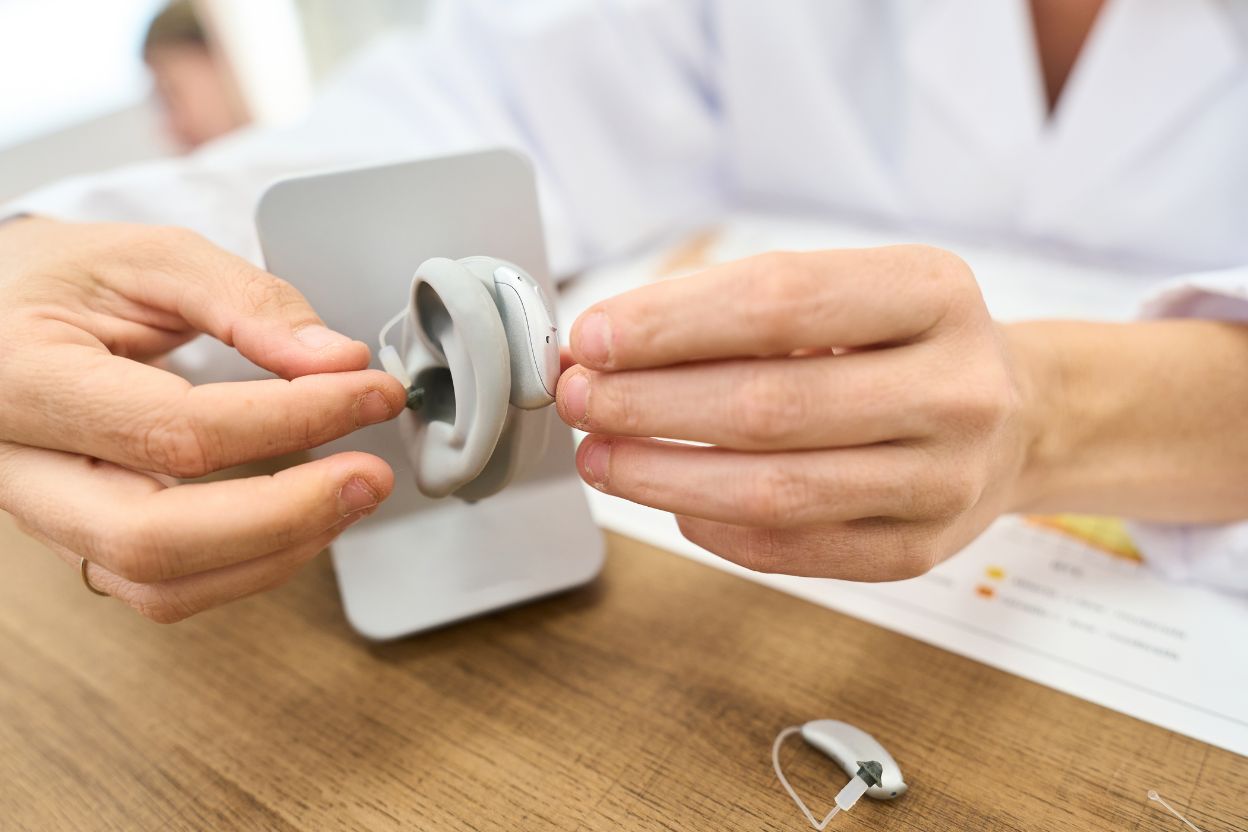
Modern hearing technology can be tailored to your specific hearing loss pattern and your lifestyle needs, whether you’re in meetings, traveling, spending time with family, or trying to hear in restaurants.
Take the First Step to Better Hearing
Don’t wait to reconnect with the world around you. Schedule your consultation today and let our experts guide you toward clearer, more confident communication.
Parker Hearing Institute. We’re Better Because WE Care!
Have questions? Call us at (310) 540-4327 or fill out the form. Our friendly team is here to help you take the next step toward better hearing.
To make an appointment, just click the button below.

FOLLOW US


COMPANY
PATIENT CARE
LEGAL
Copyright 2026. Parker Hearing Institute. All Rights Reserved.