Hearing Protection & Hearing Loss Prevention
Your environment has a powerful impact on your hearing health. One of the most common and preventable causes of hearing loss is exposure to loud noise.
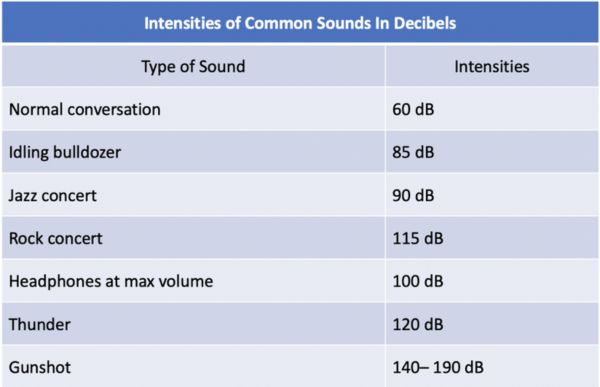
Sound is measured in decibels (dB). In general, repeated or prolonged exposure to sounds above 85 dB can contribute to permanent hearing loss. While you can’t always control the noise around you, you can control how you protect yourself.
The most important concept to remember is this:
The longer you’re exposed to loud sound, the more damage it can do.
A single loud bang is harmful, but ongoing noise exposure is often far more damaging over time.
If you’d like to learn more about how sound travels through the ear, visit our How You Hear page.
Why Noise Exposure Causes Hearing Loss
Inside your inner ear are tiny sensory cells called hair cells that help convert sound into signals your brain can understand. Loud noise can damage these hair cells, and once they’re damaged, they typically do not regenerate.
Noise-induced hearing loss may happen gradually, which means many people don’t notice it until it begins to interfere with everyday communication, especially in background noise or group conversations.
Occupational Noise & Hearing Protection
Hearing loss in the workplace is a serious issue, and it is often preventable.
According to the Centers for Disease Control and Prevention (CDC), millions of workers are exposed to potentially harmful noise levels on the job. Occupational noise exposure can lead to permanent hearing loss and tinnitus, but protective programs and regulations exist to help reduce risk.
Two major resources for workplace hearing safety include:
NIOSH (National Institute for Occupational Safety and Health)
OSHA (Occupational Safety and Health Administration)
These organizations provide guidance and regulations for workplaces where hazardous noise exposure is common. Employers may be responsible for providing hearing protection, education, periodic hearing tests, and administrative controls such as monitoring and recordkeeping.
If you believe your workplace noise exposure is affecting your hearing:
If your employer is not responding appropriately to your concerns about hearing safety or hearing loss, call our office at 310-540-4327. We can help you understand your options and point you toward the right resources for workplace hearing protection and hearing-related benefits.
Hearing Protection for Specific Environments
Different environments require different types of hearing protection. Below are common situations where hearing protection is especially important.
For Those Who Use Firearms
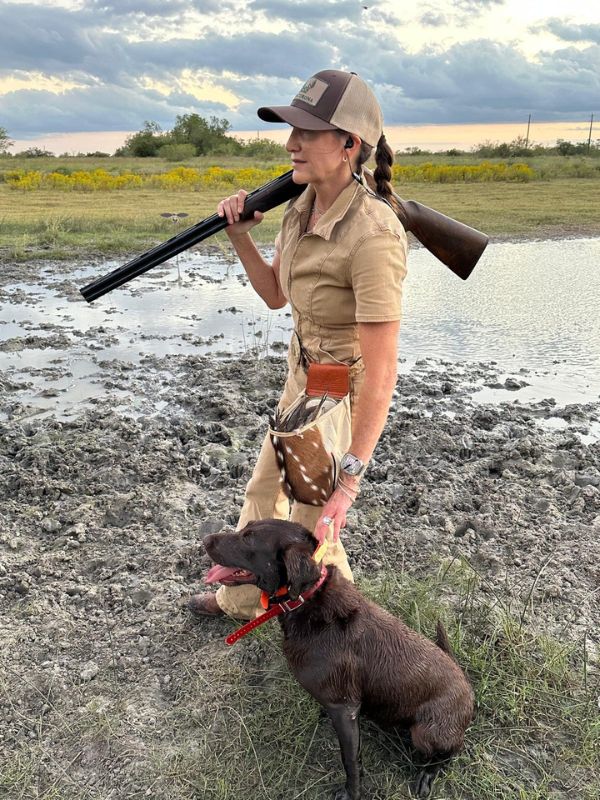
Whether you are in law enforcement, the military, or you’re a recreational hunter, firearms can produce extremely high sound levels. Even one unprotected shot can cause permanent damage.
In addition to the initial blast, sound can reflect off nearby surfaces, like indoor shooting ranges, vehicles, or structures, making exposure even louder and longer.
Best practices for firearm hearing safety:
Always use hearing protection, even for a single shot
Use over-the-counter earmuffs and shooter’s plugs for basic protection
Consider advanced protection designed to reduce harmful gunfire while allowing you to hear conversation-level sounds
If you shoot regularly, proper protection is essential to prevent permanent hearing loss and tinnitus.

For Musicians & Concertgoers
Musicians, stage crews, and concertgoers are often exposed to high-volume sound levels for long periods of time. Over time, this can increase the risk of:
Noise-induced hearing loss
Sound sensitivity (hyperacusis)
Tinnitus
Traditional foam earplugs can reduce volume, but they often muffle sound quality, especially in the low-to-mid frequencies, making them a poor choice for professional musicians or serious music fans.
Musician’s earplugs (often custom-fitted) use specialized filters that reduce volume more evenly across frequencies. This protects your hearing while preserving sound clarity and musical detail.
Both adults and children can benefit from the right protection in loud music environments.
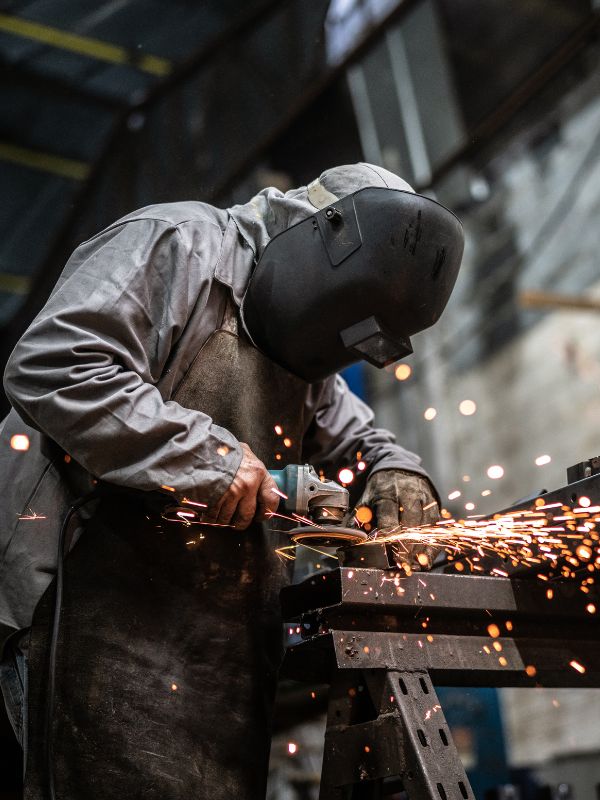
For Those Working With Industrial Machinery
Work environments involving construction, manufacturing, transportation, and heavy equipment can expose workers to sustained noise levels above safe limits. Common examples include:
Fireworks and loud impact noises
Woodworking equipment
Truck brakes and heavy transport sounds
Motorized lawn equipment
Construction and industrial machinery
Hearing protection options:
Custom-molded earplugs for a secure, comfortable fit
Earmuffs designed for high-noise environments
Specialized protection for specific tools or job sites
Hearing protection only works if it fits properly. Poorly fitted earplugs or loosely worn protectors can allow damaging sound into the ear canal and reduce effectiveness.
If you believe your hearing may be affected by workplace noise exposure, call our office at 310-540-4327 to learn more about next steps and support.
Protect Your Hearing Before You Lose It
Hearing loss is often gradual, but prevention is powerful. Whether you're exposed to noise at work, at events, or through hobbies, hearing protection is one of the simplest steps you can take to protect long-term hearing health.
If you have questions about hearing protection or want to explore custom solutions, our team is here to help.
Parker Hearing Institute. We’re Better Because WE Care!
Have questions? Call us at (310) 540-4327 or fill out the form. Our friendly team is here to help you take the next step toward better hearing.
To make an appointment, just click the button below.
FOLLOW US


COMPANY
PATIENT CARE
LEGAL
Copyright 2026. Parker Hearing Institute. All Rights Reserved.